
Spotlight: The Power of Objectivity In Dementia
Caregiving
Recently I caught a replay of the 2015 movie Spotlight. The Academy Award-winning film recounts how
in the early 2000’s The Boston Globe exposed the Catholic Church child sexual abuse scandal. Like
most people who were raised Catholic, I was shocked and heartbroken.
Child sexual abuse was going on long before this story broke. So what brought it to light? During the
year 2001, Marty Baron became The Boston Globe’s new editor-in-chief. He was Jewish. He was
from Miami. And I believe he’s why the story ultimately was told.
Baron had the objectivity to see the facts in a way that most Catholic Bostonian reporters could not.
And isn’t that how it is with so much in life? Often it takes a fresh perspective to shed light on a problem.
Frequently caregivers lack objectivity when caring for their loved ones who have Alzheimer’s disease
or other dementia diagnoses. Why? Many people caregiving for those with dementia spend endless
hours with their loved ones. They don’t see friends as often as they once did. Social activities disappear.
Leaves of absence are taken from jobs. Hobbies are forgotten. Frequently nutrition, sleep, and exercise
go out the window. This isolation and lack of self-care often contribute to a lack of objectivity about what
is best for themselves and their loved ones who have dementia.
Who are the Marty Barons who will shine a spotlight on your dementia caregiving journey?
1. Family and friends. When a family member or friend who truly loves you says, “You don’t look good” or
“I’m worried about you” this should be a wake-up call. If multiple people who love you tell you this, it’s an
urgent call to action. This likely means your self-care has diminished to a level where both you and your
loved one with dementia are at risk. This means it’s time to allow others in the family/friend network to
support your caregiving efforts with their money, energy and time. Or it might even be time to explore
outside resources like respite, home care or even senior living.
2. Healthcare professionals. When a healthcare professional with expertise in dementia tells you that the
way you are communicating with your loved one is ineffective or harmful, it’s time to adjust your approach.
Are you arguing with your mom who thinks it’s winter when 4th of July is around the corner? Are you
constantly reminding her that she’s “home” and she becomes upset because she doesn’t recognize her
house? Do you try to reason with her when she asks for your dad who died years ago? When trusted
healthcare providers suggest “joining her world,” a therapeutic “fib” or redirecting mom, give their
suggestions a try.
3. Support group members and others who have been dementia caregivers. Objective perspectives are
often found by those who have been there and done that. Support groups are filled with people who have
made the same mistakes you are making. Some of them will smile knowingly and gently persuade you
to hire a home care aide or take that vacation. Others will give you tough love and tell you to get over
yourself because you can’t do it all.
While in the throes of dementia caregiving, it’s hard to take the long view. Be open to the spotlights of
objectivity shone on your situation so you can take better care of your loved one and yourself.
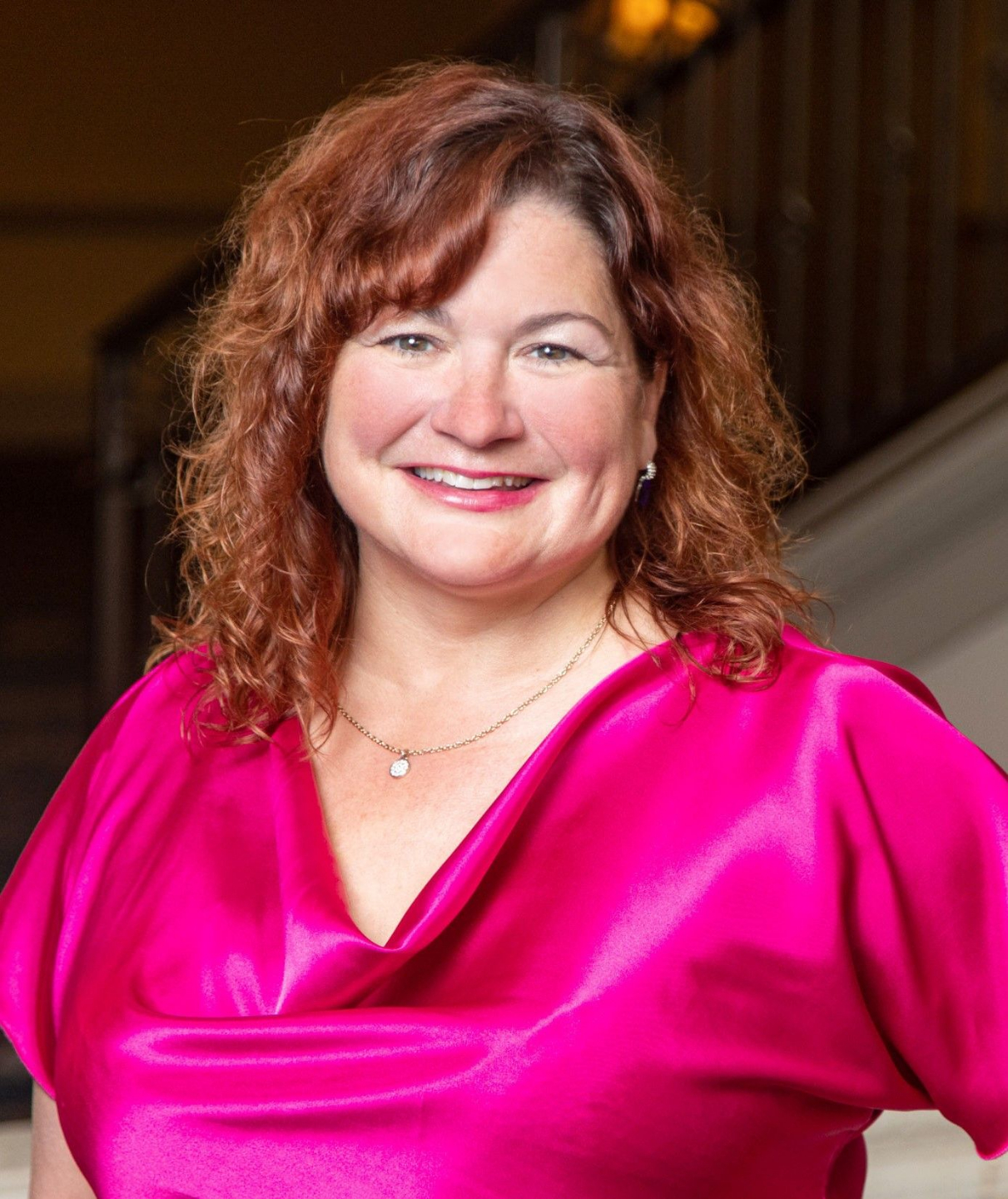
Jennifer L. FitzPatrick, MSW, LCSW-C, CSP
(Certified Speaking Professional)
is a speaker, consultant, author and founder of Jenerations Health Education, Inc. One of less than 800 Certified Speaking Professionals worldwide, Jennifer is the author of Reimagining Customer Service in Healthcare and Cruising Through Caregiving: Reducing The Stress of Caring For Your Loved One. She was a gerontology instructor at Johns Hopkins University's Certificate on Aging program for over a decade and has been featured on ABC, CBS, Sirius XM and in Forbes, U.S. News & World Report, Redbook, Fast Company and countless other media outlets. Her board appointments include serving as a Care Advisory Board Member for Seth Rogen & Lauren Miller Rogen's non-profit HFC (Hilarity for Charity).
For more information please go to www.jenerationshealth.com

© 2025 Jenerations Health Education


