
Stop Asking How Her Day Was
“How was your day, Mom?” “What did you have for lunch, Uncle Jim?” When a loved one with a dementia
diagnosis resides in a nursing home or an assisted living community, caregivers often struggle during
their visits. Well-meaning caregivers typically attempt to have a regular conversation with their older loved
one, forgetting that this person no longer can reason or control impulses, and often will not even remember
who the visitor is. This person with dementia also often misunderstands questions or is unable to articulate answers that make sense to the caregiver. Boredom and frustration result for both the caregiver and the
person with dementia.
It’s essential for caregivers to embrace new ways of socializing during a nursing home or assisted living
visit. Some television is fine, particularly if it is a show or movie that is in the patient’s long-term memory
(think Gone with the Wind or Lawrence of Arabia for someone in their eighties or nineties). But to truly
connect and engage the person with dementia, caregivers should embrace activity instead of conversation.
Many persons with advanced dementia, whether male or female, tend to most appreciate interaction and
visits with others that are what I would call “dude-like.” While certainly not true of all boys and men, the vast
majority of males in our society do not necessarily need to talk to each other to enjoy each other’s company. A woman often doesn’t get it when her husband goes to a baseball game with a buddy, and they never talk
about that buddy’s impending divorce. The two men simply enjoy watching the baseball game together, and
that is the way her husband is there for his buddy. Extensive conversation is not always necessary, nor is it
always welcome. When trying to connect with your older loved one who has dementia, try to think of two
dudes hanging out—no matter the gender of either party.
Often you are going to have the most satisfying experience with loved ones who have dementia when you
do an activity with them rather than initiate a discussion. While persons with dementia may not be able to
speak, they still might be able to sing. Music penetrates long-term memory, and many persons with dementia
can sing along, tap their feet, or even dance to an old favorite tune. (Think the Temptations’ “My Girl” or The
Rolling Stones’ “You Can’t Always get What You Want” for patients in their sixties or seventies.)
Try some art activities. If your older loved one knitted before she was diagnosed, maybe she still can. She also
may be able to paint, draw or garden. If your older loved one enjoys animals, bring your dog to her nursing
home or assisted living and let her pet Rover. Go out for a walk and look at the fall foliage or enjoy the beautiful sunset together. Give Mom a manicure, massage her back or just hold her hand. Listen to talk radio. This can
be a super activity for those older than 70 as listening to radio shows will be familiar in the long-term memory. Sometimes just sitting together without the pressure of having to come up with questions or discussion topics
can be very relaxing for you both. It takes some getting used to, but eventually, you will be more comfortable
with silence.
Obviously there will be trial and error to see which activities your loved one responds to most favorably. But typically an activity or spending quiet time together is going to be more satisfying for both of you than asking
her how her day was.
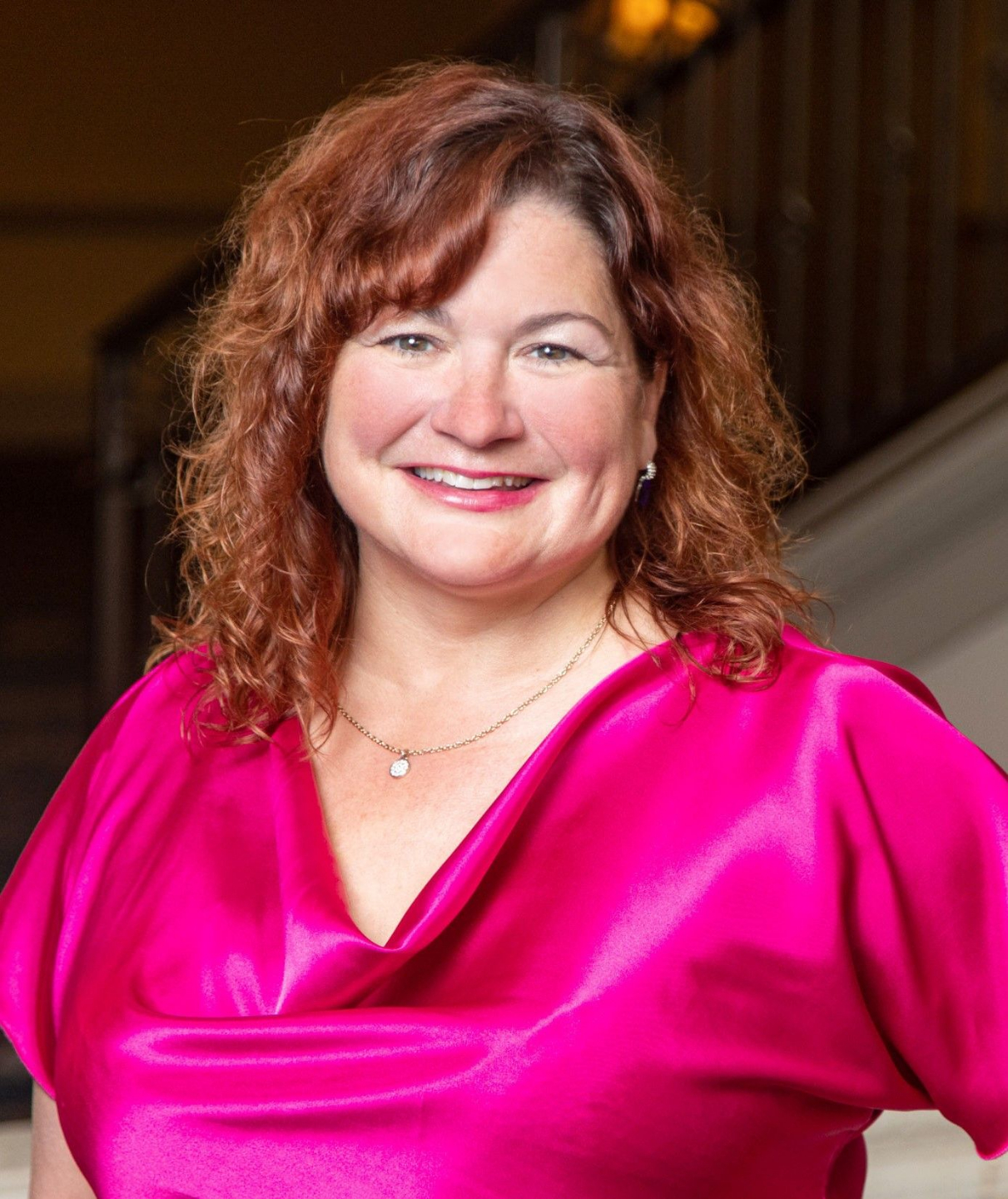
Jennifer L. FitzPatrick, MSW, LCSW-C, CSP
(Certified Speaking Professional)
is a speaker, consultant, author and founder of Jenerations Health Education, Inc. One of less than 800 Certified Speaking Professionals worldwide, Jennifer is the author of Reimagining Customer Service in Healthcare and Cruising Through Caregiving: Reducing The Stress of Caring For Your Loved One. She was a gerontology instructor at Johns Hopkins University's Certificate on Aging program for over a decade and has been featured on ABC, CBS, Sirius XM and in Forbes, U.S. News & World Report, Redbook, Fast Company and countless other media outlets. Her board appointments include serving as a Care Advisory Board Member for Seth Rogen & Lauren Miller Rogen's non-profit HFC (Hilarity for Charity).
For more information please go to www.jenerationshealth.com

© 2025 Jenerations Health Education


